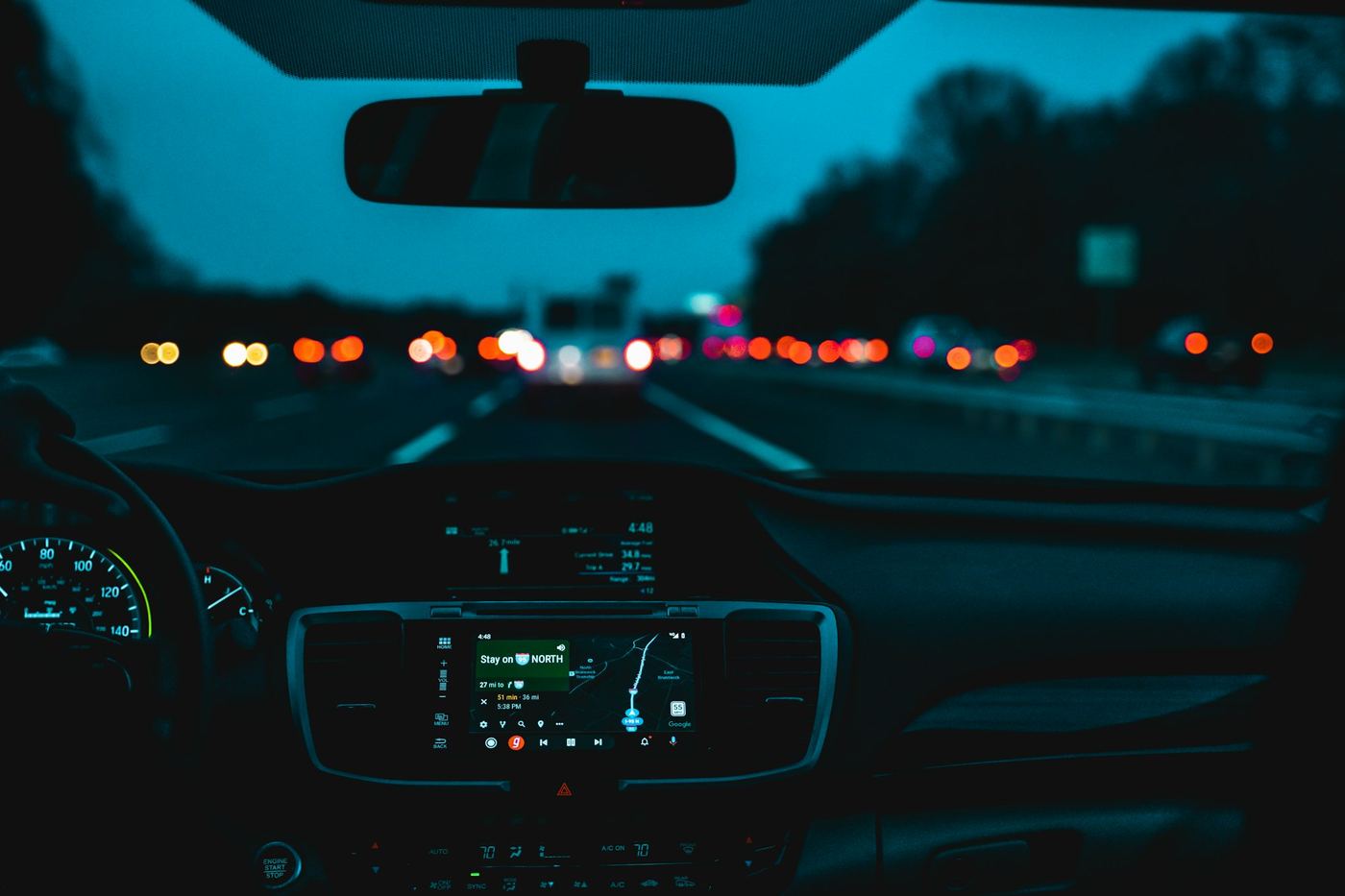
Sleepiness sits at the center of much sleep research, and it matters on the road as well. This guide explains why driving while sleepy is risky, how studies ask about drowsiness, how to plan the trip home after a test night or a nap test, and what is worth telling the team. None of it is cause for alarm; it is a reason to plan ahead.
Why a drowsy driver is at risk
A sleepy brain reacts more slowly, notices less and can slip into a doze lasting a few seconds without the driver realizing it. At highway speed a few seconds covers a long stretch of road. People with untreated sleep apnea, narcolepsy or idiopathic hypersomnia, and anyone after a short night, can feel more alert than they really are. When sleep feels close, pull over somewhere safe and rest, or hand the keys to someone else.
Signs that sleep is closing in are worth learning:
- Yawning over and over, or eyelids that feel heavy
- Drifting across the lane or onto the rumble strip
- Missing an exit or not remembering the last few miles
- Turning up the radio or opening a window to keep going
How studies ask about sleepiness
Sleep studies gauge sleepiness in several ways, because it is hard to judge in yourself. A short questionnaire may ask how likely you are to doze in everyday moments such as reading, watching television or sitting in traffic. Some studies add a quick reaction test on a screen, the daytime nap tests or a driving simulator in the lab.
Answer as honestly as you can, since the study needs to know how sleepy people truly are. If you have questions about what your sleepiness means for driving where you live, your own doctor is the person to ask.
Getting home after a test night or nap day
After a night in the lab you may have slept less than usual, and after a day of nap tests you will have spent hours trying to fall asleep. Plan the trip home before you leave the house: a friend or relative, a taxi, a rideshare or public transport. Some labs ask at check-in who is collecting you.
The same applies to any visit where a study medicine might cause drowsiness. The team will say so ahead of time, and you can ask how long to wait before you drive again.
Driving habits worth mentioning to the team
The team can plan around sleepiness only if they know about it. Bring these up early, ideally at the first appointment:
- Any time you have nodded off at the wheel or had a near miss
- How far you travel to the lab, and whether you usually drive yourself
- Whether you drive for work or work night shifts
- Any medicine from any doctor that makes you drowsy
Keeping sleepiness in proportion
Most people taking part in sleep research reach every visit safely, simply because they plan ahead. Sleepiness is a symptom the study is there to understand, not something to feel guilty about. If you grow drowsy on the way to a visit, stop and rest, let the team know you will be late and carry on only once you feel properly awake.
- A sleepy driver can doze for a few seconds without noticing.
- Studies ask about sleepiness because it is hard to judge in yourself.
- Arrange a ride home after a lab night or a day of nap tests.
- Tell the team about any dozing at the wheel or near misses.
- If drowsiness creeps in on the way, pull over, rest and tell the team you are running late.