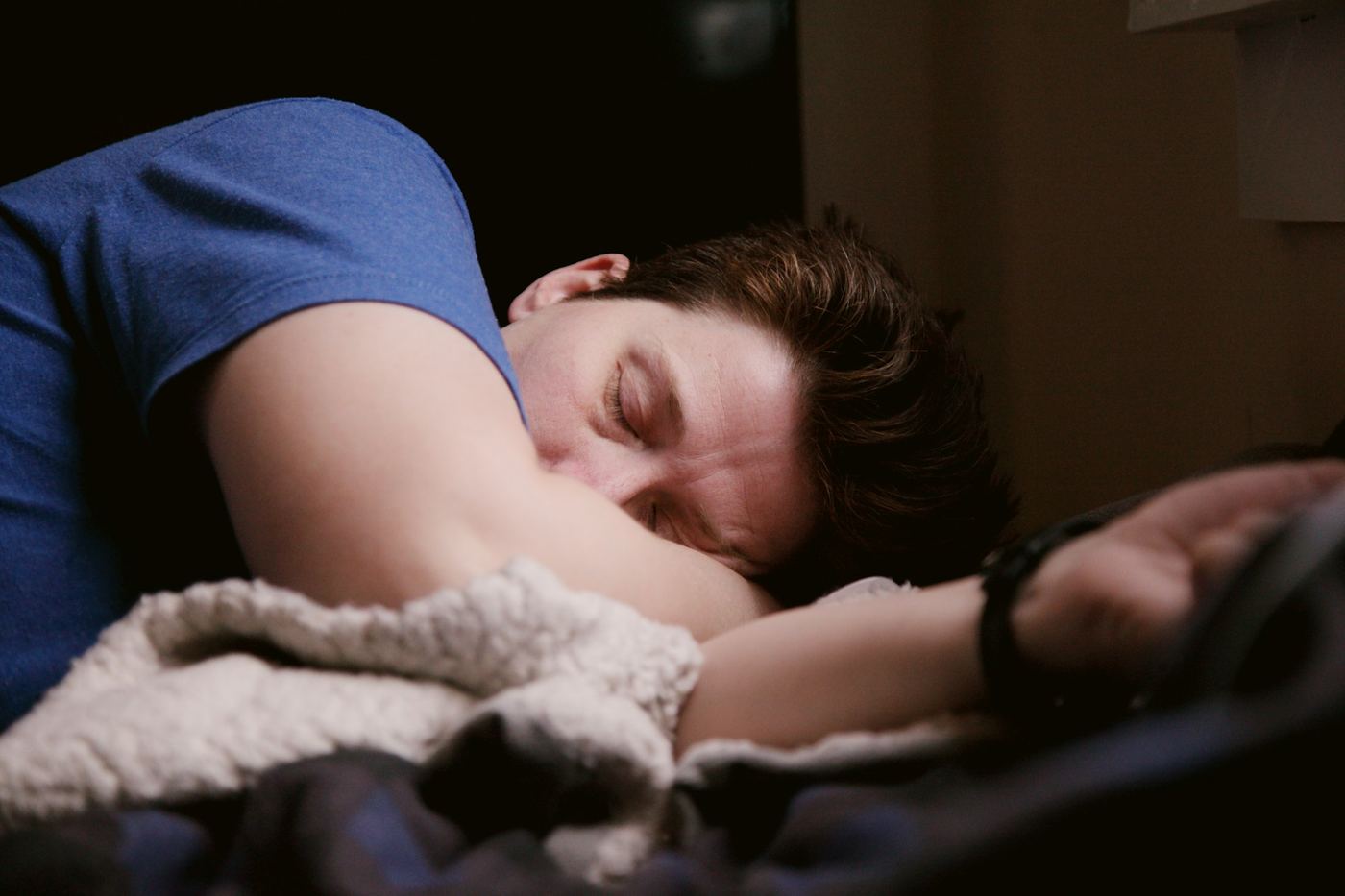
Obstructive sleep apnea is common, and many people who have it have never been told. On this page you can read what happens in the throat during sleep, what it does to the next day and how it is treated now. You will also find how a sleep study counts breathing pauses and oxygen dips, at home or in a lab, and questions to take to a study team.
Sleep apnea research is after treatments people can live with every night, and simpler ways to find the many who have it without knowing.
In obstructive sleep apnea the soft tissue of the throat relaxes during sleep and narrows the airway, or closes it altogether, again and again through the night. Breathing turns shallow or stops for several seconds or longer, oxygen in the blood dips, and the brain wakes for a moment to reopen the airway. Most people never remember these brief wakings, which is why so many have apnea without knowing it.
The signs often reach someone else first: loud snoring, gasps, snorts, or silences that whoever sleeps beside you notices. The person with apnea may wake with a dry mouth or a headache and feel sleepy all day, however long they spent in bed. Over years, untreated apnea is linked with high blood pressure and heart trouble. It is more common with extra weight, a narrow airway and growing older, though slim people get it too.
All through the night, then morning headaches and a sleepy afternoon
Where treatment stands now
The most common treatment today is a CPAP machine, which sends gentle air pressure through a mask to hold the airway open. Others use a mouthpiece fitted by a dentist that holds the lower jaw forward, or sleep on their side when apnea is worse on the back. Losing weight helps where weight plays a part, including with newer weight-loss medicines for some people. Airway surgery and an implanted device that moves the tongue forward during sleep are further options, all weighed up by your own doctor or sleep specialist.
Why research on it carries on
CPAP works well when it is worn, but many people find the mask, the airflow and the noise hard to live with and use it for only part of the night. Mouthpieces and surgery help some people far more than others, and it is hard to predict who. Researchers also want simpler home tests, so the many people with apnea who have never been checked can be found and treated sooner.
Masks and machines people keep wearing
Changes to masks, pressure settings and support at home, judged by how many hours a night people actually use them.
Medicines to firm up the throat
Medicines meant to keep throat muscles from going slack in sleep, tested as a choice for people who cannot use a machine.
Weight loss and fewer pauses
Studies of how newer weight-loss medicines change the number of breathing pauses and how rested people feel.
Choosing the treatment that suits
Work on reading a person’s sleep recording to predict whether a mouthpiece, an implant or a machine will help them most.
What a sleep study records
Pauses counted against hours asleep
Each time breathing stops or turns shallow is counted, and the total is set against the hours of sleep to show how severe the apnea is.
Oxygen through a finger clip
A small clip on a fingertip reads blood oxygen through the night and shows how far it falls with each pause.
A home test kit
A stretchy belt around the chest, a soft tube under the nose and the finger clip, worn in your own bed for a night or two.
Machine hours and sleepy days
How long each night a CPAP or other device is used, read from the machine, alongside ratings of how drowsy your days feel.
The night or day of a test
A home kit arrives with simple instructions: a belt goes around your chest, a soft tube rests under your nose, and a clip sits on one finger. You sleep as you normally would, snoring and all. In a lab, a technologist adds sensors to your scalp and legs, watches from another room, and may wake you partway through to try a mask. Snoring and gasping are exactly what the team is there to record, so there is nothing to feel awkward about.
Your machine, medicines and habits meanwhile
If you already use a CPAP, a mouthpiece or a pillow that keeps you on your side, carry on with it every night as you do now. Bring a photo of the machine’s label and settings screen, and a list of your medicines, weight-loss ones included. The study team may ask how many hours a night you wear it. Any pause in your machine or mouthpiece, or any change to it, is for your sleep specialist to decide with the study team, never something to try alone.
Things to ask the people running it
- Will I keep using my CPAP every night while I am in the study?
- Is the sleep test done at home, in a lab, or both?
- Could a copy of my sleep test go to the specialist who looks after my apnea?
- What happens if my snoring or oxygen dips get worse during the study?
Words a sleep team may use
- Apnea
- A pause in breathing during sleep that lasts several seconds or more.
- Hypopnea
- Breathing that turns shallow during sleep without stopping completely, often with a drop in oxygen.
- CPAP
- Short for continuous positive airway pressure: steady, gentle airflow from a unit beside the bed, delivered by mask, that holds the airway open while you sleep.
Your questions on obstructive sleep apnea
No. Plenty of people snore without their breathing ever stopping. What points toward apnea is snoring with gasps, choking sounds or silences that someone else notices, along with sleepy days, morning headaches or high blood pressure. Only a sleep test can tell the two apart, which is why your own doctor may suggest a home kit or a lab night if these signs sound familiar to you.
Some studies look specifically for people who tried a machine and gave up, because they want to test other ways to keep the airway open. Others want people who use CPAP every night. Which of those a given study wants is spelled out in its own description, and the people running it have the last word. Meanwhile, keep talking to your sleep specialist about the mask and settings, since an uncomfortable mask can often be swapped for one that fits better.
Sleepiness from apnea can creep up without warning, especially on long, quiet roads. If you feel your eyes closing, catch yourself nodding or cannot recall the last few miles, do not drive until you feel alert, and pull over somewhere safe if it happens on the way. Tell your own doctor about it, because treatment often makes a real difference to how awake you feel in the day.
No. Clinical Robin sends occasional news about sleep research near your ZIP code and stops there. Should one sound interesting, the next move is yours: get in touch with the people running it by the route they set out. Clinical Robin hands over no names, numbers or health details, and receiving an update does not enroll you in anything. The study team talks you through it and chooses who takes part.