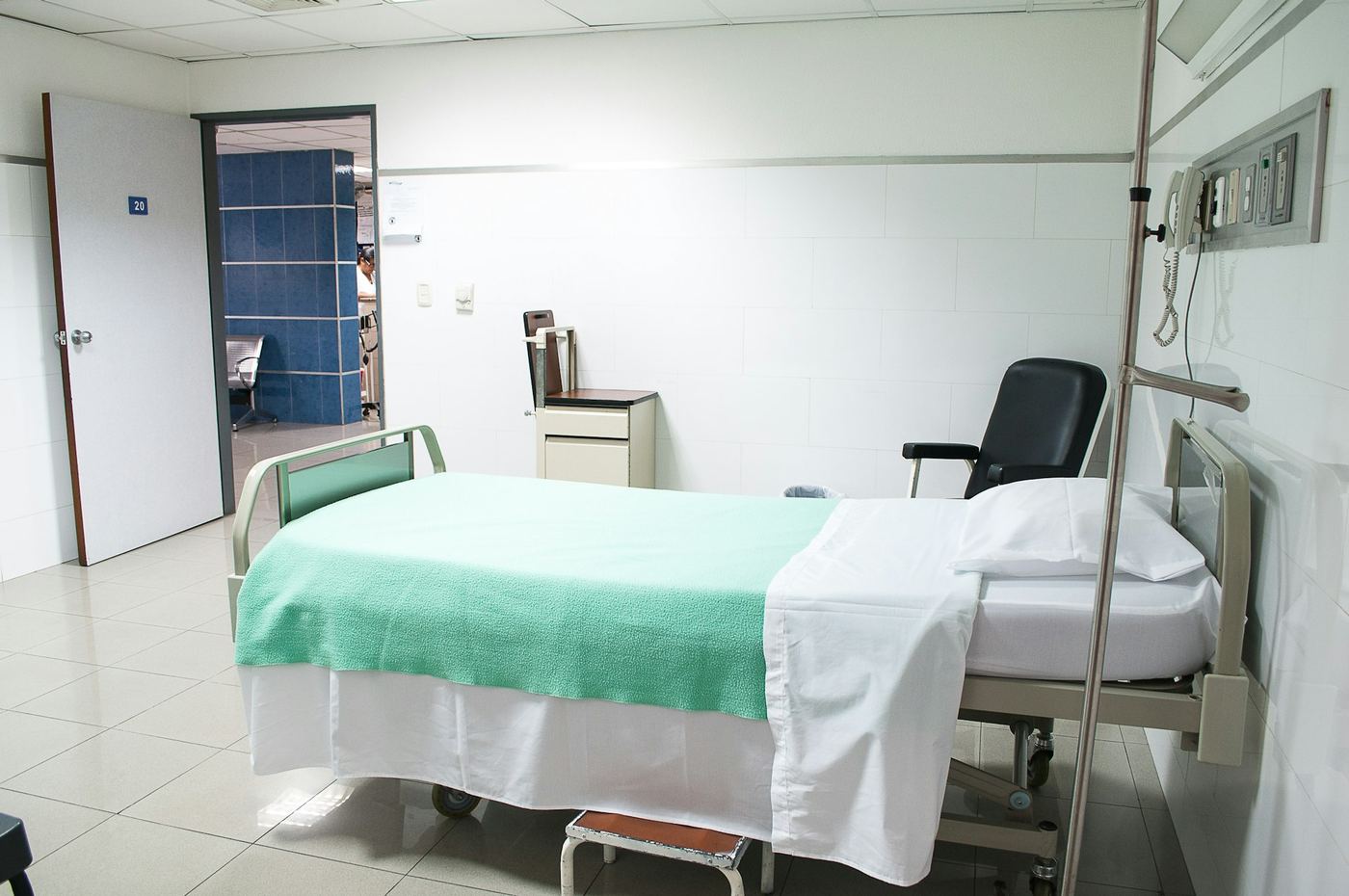
Two daytime tests show how sleepy someone is in a way a questionnaire cannot. In a nap test you lie down for a handful of short naps across one day while the team measures how quickly you drop off and whether dream sleep arrives early. In a stay-awake test you sit in dim light and try not to doze. Both are used in narcolepsy and idiopathic hypersomnia research, and both follow a night in the lab.
The overnight study the evening before
Daytime tests nearly always come straight after a full night in the sleep lab. The night shows whether you slept long enough for the daytime results to mean anything, and it can reveal another cause of sleepiness, such as repeated breathing pauses. Many people stay in the same room and keep some of the same sensors on in the morning.
Some studies also ask you to wear a research wristband for a week or two beforehand, to show your usual pattern. If your sleep that week was much shorter than normal, tell the technologist before the first nap.
A handful of short naps across one day
After breakfast you lie down in the dark and are asked to let yourself fall asleep. Each nap chance is brief, and the lights come back on after a set time whether you slept or not. Then you get up and stay awake until the next nap a couple of hours later. The naps repeat through the morning and into the afternoon.
The scalp and eye sensors show the team a few things in particular:
- How long it took you to fall asleep at each nap
- Whether dream sleep appeared inside a short daytime nap, which is unusual for most sleepers
- How these results run across the whole day rather than at one nap alone
Keeping yourself awake between naps
Between naps you stay out of bed and keep busy with something quiet: a book, a film, a slow walk along the corridor. Labs usually ask you to skip coffee, tea and energy drinks on the day and to stay out of bright sunshine. Lunch is often provided. The team tells you beforehand what to bring and what to leave at home.
Try not to nod off in a chair between naps, even when the afternoon drags. A doze outside the nap chances makes the next result harder to read, and the technologist may gently keep you talking to help.
The stay-awake test in a dim room
The stay-awake test turns the nap test around. You sit propped up in bed in a dim, quiet room and try to keep your eyes open and your mind awake, without singing, slapping your cheeks or other tricks. Each sitting lasts longer than a nap chance and is repeated a few times through the day. It shows how well someone can hold sleep off, which matters for research on daytime alertness.
Dozing during this test is not a failure. It is exactly what the study sets out to measure, and a technologist is with the recording the whole time.
Going home after a day of testing
By late afternoon you may feel worn out from the early start and the long quiet hours. Arrange for a friend or relative to collect you, or take a taxi or public transport, rather than getting behind the wheel. Ask the team before the day how other people usually get home from that lab.
- Daytime tests follow a full night in the lab, which checks the sleep before them.
- A nap test measures how fast you fall asleep and whether dream sleep comes early.
- A stay-awake test measures how long you can hold off sleep in a dim room.
- Stay out of bed and away from caffeine between naps unless told otherwise.
- Plan for someone else to drive you home at the end of the day.